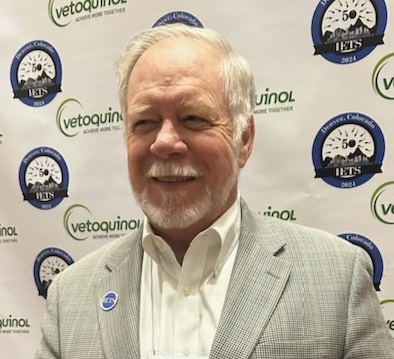
 Throughout his career Dr. Ed Squires has been given many accolades and received several awards for his numerous contributions to the field of equine reproduction. Most recently, he was awarded the 2024 Pioneer Award by the International Embryo Technology Society (IETS). This award is given to recognize individuals who have made seminal contributions to the development of embryo-based technologies.
Features
Squires Awarded 2024 ISER Pioneer Award
April 22, 2024
Posted by SBS in Affiliate News
The Facts about Frozen Semen and Post Breeding Uterine Fluid
June 29, 2011
Posted by Dr. Ed Squires in Breeding with Frozen Semen
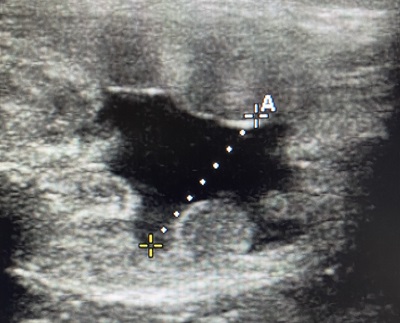 The presence of fluid in the mare’s uterus after natural mating or insemination is a normal event that occurs in response to the breeding. This is the result of an inflammatory response that is needed to rid the uterus of any excess sperm or other contaminating agents. The influx of neutrophils (white blood cells) into the mare`s uterus after breeding results in the elimination of sperm, bacteria and other cellular debris and causes the release of prostaglandins, which stimulates uterine contractions. Typically the inflammatory response peaks 12 hours after breeding and by 24 to 48 hours the mares uterus is empty of fluid. However, some mares are more susceptible to prolonged retention of fluid and it may be retained for several days after breeding.
SBS Foal Photo Contest
March 12, 2020
Posted by SBS in General Interest
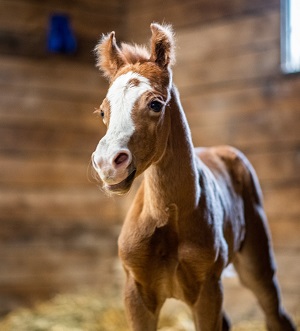 The 2024 SBS Foal Photo Contest is now open for entries! Don't miss your chance to win a $100 Amazon gift card. The following foal photos are eligible for entry.
Questions Every Mare Owner Should Ask Before Breeding With Frozen Semen
April 11, 2011
Posted by Paul Loomis in Breeding with Frozen Semen
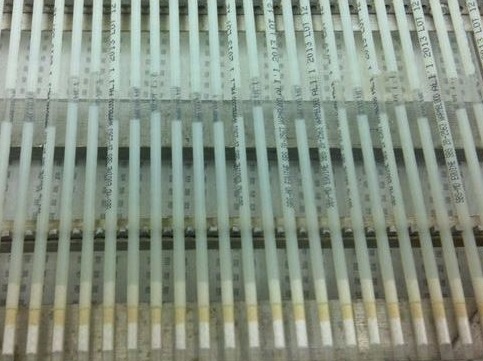 Frozen semen offers many advantages to mare owners but it is important to understand that not all frozen semen is the same. You can achieve excellent results with frozen semen IF the semen is of good quality, is provided in adequate numbers and has been processed, stored and shipped properly. All too often mare owners and veterinarians have been disappointed with the results they obtained with frozen semen that may not have been processed properly or was distributed without adhering to strict standards for quality control. The best way for a mare owner to ensure success is to breed to a stallion whose owner or agent is willing to stand behind the product and offer a pregnancy guarantee, just like they would with cooled semen. If that is not the case then make sure that the semen was collected and frozen by a reputable, professional laboratory and that you can obtain objective information about the semen quality. Here are some important questions to ask the stallion owner or semen agent before you sign a contract.
Please Note - photos used in these news articles are available in the public domain, have been purchased through istockphoto or (when referencing breeders or horses) have been submitted to Select Breeders Services Inc. by the breeding farm or horse owner. Photo credit has been provided where applicable. If at anytime you see something that needs to be addressed please feel free to contact us directly.


- Categories
- Affiliate News
- Breeding with Frozen Semen
- Contract Considerations
- Disease and Health Testing
- Embryo Transfer
- Foal and Neonate Care
- Focus On Our Breeders
- Frozen Semen
- General Interest
- Genetics
- Guidelines
- Import and Export
- Industry News
- Mare Management
- Nutrition
- Stallion Management
- _Archived Articles
- Contributors
- Andrew Swenson
- Chad Mendell
- Clair Thunes, PhD
- Don Kapper
- Dr. Anna Toenissen
- Dr. Brian Carroll
- Dr. Carleigh Fedorka, PhD
- Dr. Clair Thunes
- Dr. Dave Scofield
- Dr. Ed Squires
- Dr. Ed Squires and Dr. Pat McCue
- Dr. Elena Martinez de Andino
- Dr. Erin Newkirk
- Dr. Gabe Young
- Dr. Glenn Blodgett
- Dr. Holly Mason
- Dr. Igor Canisso
- Dr. Jed McKinlay
- Dr. Jerry Longworth
- Dr. Jessica Quigg
- Dr. Karen Wolfsdorf
- Dr. Margo Macpherson
- Dr. Maria Schnobrich
- Dr. Nikki Collins
- Dr. Phil Matthews
- Dr. Regina Turner
- Dr. Richard Giacopuzzi
- Dr. Robert Franklin
- Dr. Ryan Ferris
- Dr. Sandro Barbacini
- Dr. Stephanie Walbornn
- Dr. Stuart Meyers
- Dr. Ute Pansegrau
- Erin Bishop
- Erin Bishop, MS
- Julie Fershtman
- Julie Skaife
- Karen Wolfsdorf, DVM Dipl ACT
- Karen Wolfsdorf, DVM, DACT
- Laura Patterson Rosa, DVM, Ph.D.
- MR Petersen and AM Bojesen
- Mallory Canaday
- Meredith Bonnell, MS
- Michelle Regan
- Natalie DeBerardinis
- Old Dominion Hemp
- Paul Loomis
- Quinnten Alston
- Rood and Riddle Equine Hospital
- S.A. Brooks and L. Patterson-Rosa
- SBS
- SBS-MD
- SBSI
- SBSW
- Recent Posts
- Squires Awarded 2024 ISER Pioneer Award
- 2023 SBS Foal Photo Contest Winner
- Leah Lively: Her ICSI Journey
- International Symposium on Equine Reproduction – Dr. Ed Squires Recognized as Honorary Chair
- Dr. Phil Matthews of PetersonSmith Retires
- Congenital Hypothyroidism
- Dr. Glenn Blodgett - A Legend In Our Hearts